Buy erectiepillen-bestellen.eu ?
We are moving the project
erectiepillen-bestellen.eu .
Are you interested in purchasing the domain
erectiepillen-bestellen.eu ?
domain@kv-gmbh.de · 0541-91531010
Buy erectiepillen-bestellen.eu ?
Is the Ficus benjamina dead?
Without more information or context, it is difficult to determine if the Ficus benjamina is dead. Signs of a dead Ficus benjamina may include brittle, dry leaves, lack of new growth, and a trunk that is soft or hollow. It is recommended to check the plant for these signs and assess its overall health before concluding if it is dead or not. **
Does the Ficus Ginseng move?
No, the Ficus Ginseng plant does not move. It is a stationary plant that grows in a fixed location. While it may change and grow over time, it does not have the ability to physically move from one place to another. **


Similar search terms for Ficus
Top-Angebote
Products related to Ficus:
-
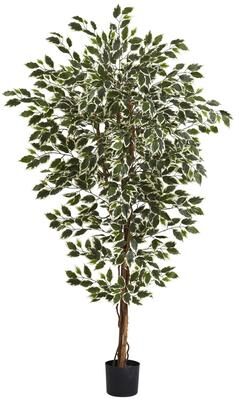
Eco Convert Ficus Tree - Grandin RoadLifelike, decorative ficus tree. Easily transforms: 3 sizes in 1. From 5 ft. tree to tabletop plant. Lush & leafy with no upkeep. For indoor use only. Enjoy as three different sizes:Connect all sections to display as full, 5 ft. tree. Remove branch...199,00 $*Shipping: 24,95 $Secure redirect to the provider
-
Erbenobili Ficus Carica Phytoblast 50 mlNutrition and Supplements Natural Extracts Erbenobili Ficus Carica Phytoblast 50 ml Food supplement based on glycerinated fig and red vine extract. Gluten Free Benefits The main indications for this yolk extract are neurodystonias and gastric and duodenal-colic neurovegetative disorders. The mechanism of action, probably of diencephalic origin with action on the corticodiencephalic axis, makes it a remedy indicated in all dystonic states, in anxious forms with a neurotic component with psychosomatic manifestations, particularly in the digestive system where it regulates motility and secretion. gastroduodenal Instructions for use: 20 - 30 drops 2 times a day diluted in water preferably between meals Warning : Contraindicated in case of proven hypersensitivity to one of the components. Food supplements are not intended to replace a varied and balanced diet and a healthy lifestyle.9,87 £*Shipping: 3,99 £Secure redirect to the provider



-
What is a Ficus tree?
A Ficus tree is a type of tree belonging to the genus Ficus, which is part of the mulberry family. These trees are known for their large, glossy leaves and their ability to grow in a variety of environments, including tropical and subtropical regions. Ficus trees are often used as ornamental plants in gardens and landscapes, and some species are also grown as houseplants. They are known for their resilience and adaptability, making them a popular choice for both indoor and outdoor settings. **
-
What is the topic of libido enhancement?
The topic of libido enhancement is the improvement of sexual desire and arousal. This can include various methods and approaches to increase libido, such as lifestyle changes, therapy, medication, and natural remedies. It is a topic that is of interest to individuals and couples looking to improve their sexual experiences and overall well-being. Libido enhancement can also be a subject of research and development in the fields of medicine and psychology. **
-
What type of Ficus is this?
This is a Ficus lyrata, commonly known as the fiddle leaf fig. It is characterized by its large, violin-shaped leaves that have a glossy, dark green color. Ficus lyrata is a popular houseplant choice due to its striking appearance and relatively low maintenance requirements. It is native to western Africa and thrives in bright, indirect light. **
-
How to repot a Ficus Benjamina?
To repot a Ficus Benjamina, start by choosing a slightly larger pot with good drainage holes. Gently remove the plant from its current pot, being careful not to damage the roots. Loosen the roots and add fresh potting soil to the new pot, then place the plant in the center and fill in with more soil. Water the plant thoroughly and place it in a location with bright, indirect light. Allow the plant to adjust to its new pot for a few weeks before fertilizing. **

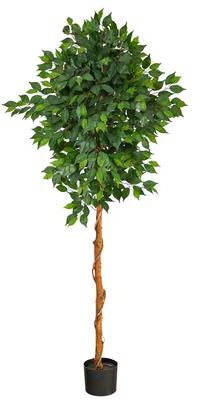
What type of ficus is this?
This is a Ficus lyrata, commonly known as a fiddle leaf fig. It is characterized by its large, violin-shaped leaves that have a glossy, dark green color. Ficus lyrata is a popular houseplant choice due to its striking appearance and relatively low maintenance requirements. It thrives in bright, indirect light and regular watering. **
What problem does my ficus have?
Based on the description provided, it seems like your ficus plant is suffering from a combination of issues. The yellowing leaves could be a sign of overwatering or root rot, while the brown spots and sticky residue may indicate a pest infestation, such as scale insects or spider mites. It is important to address these problems promptly by adjusting your watering routine, inspecting the plant for pests, and treating it with appropriate insecticidal soap or neem oil to help your ficus recover and thrive. **
Top-Angebote
Products related to Ficus:
-
Uplifted Finds Active Potency Liquid Catnip Stimulant 60 MlRevitalize your pets environment with the ActivePotency Liquid Catnip Stimulant. This concentrated formula utilizes a nepetalactoneextraction logic, delivering the essence of premium organic catnip in a clean, clinicalgrade mist. Designed to trigger...115,97 $*Shipping: 0,00 $Secure redirect to the provider
-
Eco Convert Ficus Tree - Grandin RoadLifelike, decorative ficus tree. Easily transforms: 3 sizes in 1. From 5 ft. tree to tabletop plant. Lush & leafy with no upkeep. For indoor use only. Enjoy as three different sizes:Connect all sections to display as full, 5 ft. tree. Remove branch...199,00 $*Shipping: 24,95 $Secure redirect to the provider
-
Is the Ficus benjamina dead?
Without more information or context, it is difficult to determine if the Ficus benjamina is dead. Signs of a dead Ficus benjamina may include brittle, dry leaves, lack of new growth, and a trunk that is soft or hollow. It is recommended to check the plant for these signs and assess its overall health before concluding if it is dead or not. **
-
Does the Ficus Ginseng move?
No, the Ficus Ginseng plant does not move. It is a stationary plant that grows in a fixed location. While it may change and grow over time, it does not have the ability to physically move from one place to another. **
-
What is a Ficus tree?
A Ficus tree is a type of tree belonging to the genus Ficus, which is part of the mulberry family. These trees are known for their large, glossy leaves and their ability to grow in a variety of environments, including tropical and subtropical regions. Ficus trees are often used as ornamental plants in gardens and landscapes, and some species are also grown as houseplants. They are known for their resilience and adaptability, making them a popular choice for both indoor and outdoor settings. **
-
What is the topic of libido enhancement?
The topic of libido enhancement is the improvement of sexual desire and arousal. This can include various methods and approaches to increase libido, such as lifestyle changes, therapy, medication, and natural remedies. It is a topic that is of interest to individuals and couples looking to improve their sexual experiences and overall well-being. Libido enhancement can also be a subject of research and development in the fields of medicine and psychology. **
Similar search terms for Ficus
-
Erbenobili Ficus Carica Phytoblast 50 mlNutrition and Supplements Natural Extracts Erbenobili Ficus Carica Phytoblast 50 ml Food supplement based on glycerinated fig and red vine extract. Gluten Free Benefits The main indications for this yolk extract are neurodystonias and gastric and duodenal-colic neurovegetative disorders. The mechanism of action, probably of diencephalic origin with action on the corticodiencephalic axis, makes it a remedy indicated in all dystonic states, in anxious forms with a neurotic component with psychosomatic manifestations, particularly in the digestive system where it regulates motility and secretion. gastroduodenal Instructions for use: 20 - 30 drops 2 times a day diluted in water preferably between meals Warning : Contraindicated in case of proven hypersensitivity to one of the components. Food supplements are not intended to replace a varied and balanced diet and a healthy lifestyle.9,87 £*Shipping: 3,99 £Secure redirect to the provider
-
Nearly Natural 4' Variegated Ficus Artificial TreeTwo heads of light green leaves crown a series of lifelike twisted stems with this artificial 4' variegated ficus tree. With an elegant and sophisticated appearance, it's a good piece to add to your bedroom.93,21 $*Shipping: 0,00 $Secure redirect to the provider
-
What type of Ficus is this?
This is a Ficus lyrata, commonly known as the fiddle leaf fig. It is characterized by its large, violin-shaped leaves that have a glossy, dark green color. Ficus lyrata is a popular houseplant choice due to its striking appearance and relatively low maintenance requirements. It is native to western Africa and thrives in bright, indirect light. **
-
How to repot a Ficus Benjamina?
To repot a Ficus Benjamina, start by choosing a slightly larger pot with good drainage holes. Gently remove the plant from its current pot, being careful not to damage the roots. Loosen the roots and add fresh potting soil to the new pot, then place the plant in the center and fill in with more soil. Water the plant thoroughly and place it in a location with bright, indirect light. Allow the plant to adjust to its new pot for a few weeks before fertilizing. **
-
What type of ficus is this?
This is a Ficus lyrata, commonly known as a fiddle leaf fig. It is characterized by its large, violin-shaped leaves that have a glossy, dark green color. Ficus lyrata is a popular houseplant choice due to its striking appearance and relatively low maintenance requirements. It thrives in bright, indirect light and regular watering. **
-
What problem does my ficus have?
Based on the description provided, it seems like your ficus plant is suffering from a combination of issues. The yellowing leaves could be a sign of overwatering or root rot, while the brown spots and sticky residue may indicate a pest infestation, such as scale insects or spider mites. It is important to address these problems promptly by adjusting your watering routine, inspecting the plant for pests, and treating it with appropriate insecticidal soap or neem oil to help your ficus recover and thrive. **
* All prices are inclusive of VAT and, if applicable, plus shipping costs. The offer information is based on the details provided by the respective shop and is updated through automated processes. Real-time updates do not occur, so deviations can occur in individual cases. ** Note: Parts of this content were created by AI.